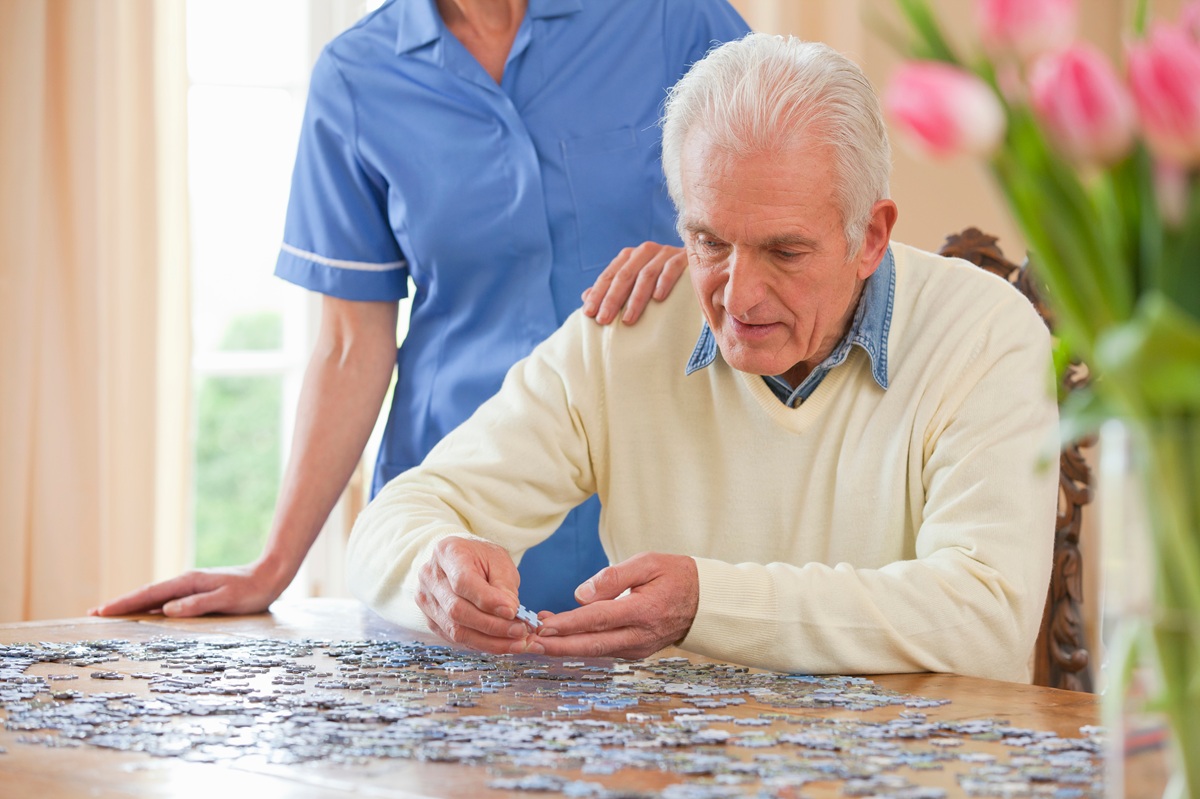
At Vineyard Ranch at Temecula, we recognize that games are more than just a recreational activity in memory care. It isn’t something residents do to pass the time; it’s a meaningful part of daily life. Even those who were non-gamers in their youth can take part in these memory care activities. Games offer seniors a multitude of benefits. It’s a powerful way to stimulate the mind, encourage social interaction, and enhance mood.
Games truly improve life for seniors in memory care by boosting mood, reducing anxiety, and supporting social interaction. While they aren’t a cure for dementia, regular play helps keep residents engaged and supports remaining cognitive skills. Studies have shown that memory games can support mental clarity and engagement for those with cognitive challenges.
From board games to digital platforms and simple matching tasks, there are multiple options for seniors to choose from. Even winning small games can foster a sense of pride and accomplishment. Here’s more on how games contribute to a better quality of life for memory care residents.
Emotional And Social Benefits
Games in memory care do more than fill time. They get people talking, laughing, and feeling like they still belong. For many residents, that connection is what actually matters most.
Help Reduce Stress
A familiar game can take the mind off daily worries. When it feels safe and known, tension drops. People relax. The rest of the day feels lighter.
Enhances Mood
Playing something enjoyable has a real effect. A few laughs. A small win. A bit of excitement. These moments add up. Many residents leave in a better mood than when they sat down.
Fosters Connection
Group games create natural chances to sit together. Conversations start. Friendships form. Loneliness eases when people feel included instead of left out.
Mental And Physical Benefits
Good games keep the mind and body gently active. They don’t feel like work. They just let seniors use the skills they still have and stay part of daily life.
Brain Stimulation
Memory games ask people to match things, recall information, or solve small problems. Doing this regularly helps residents stay engaged. It keeps their remaining cognitive abilities in use.
Motor Skills
Plenty of games involve simple movements. These include picking up pieces, reaching, and tossing something light. These small actions help with coordination. They keep people moving without pressure.
Routine
When the same games happen around the same time most days, residents start looking forward to them. That structure brings comfort. It also makes joining in easier.
Recommended Games For Memory Care
Not every game works for every person. The ones that succeed are usually simple, familiar, and matched to what residents can still manage. Those are the ones that get real participation.
Hands-On And Classic Games
These feel comfortable. Most people already know the rules. They support memory and concentration while giving residents a chance to interact without pressure.
Matching Card Games
People turn cards over and look for pairs. Every match feels like a small success. Concentration improves without anyone feeling tested.
Jigsaw Puzzles
Putting a puzzle together takes patience. Residents work on visual skills and problem-solving as the picture slowly appears. Finishing one often brings a quiet sense of pride.
Bingo
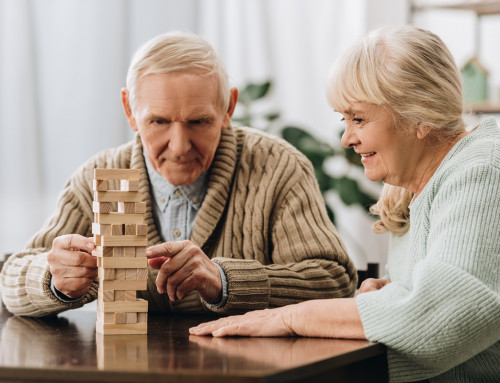
Bingo stays popular for a reason. It’s easy to follow. Social. Full of small celebrations. Calling numbers and marking cards keeps everyone involved.
Simple Board And Tile Games
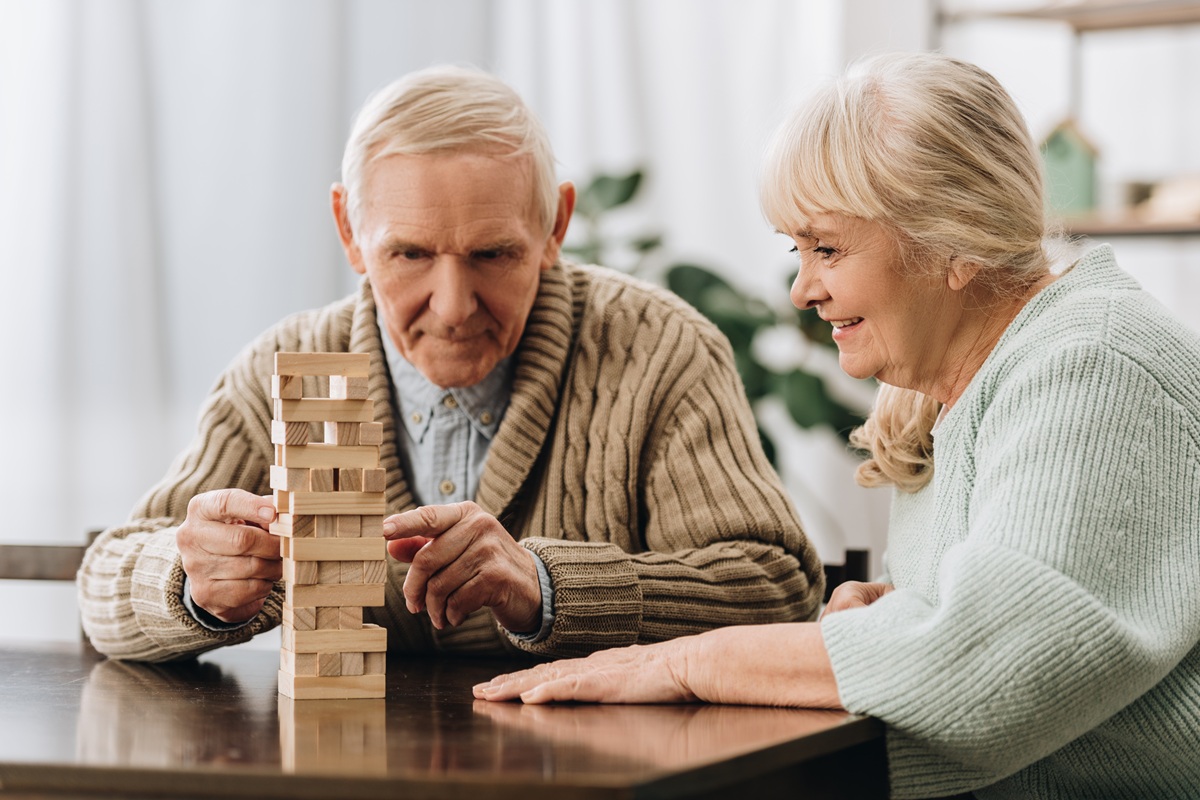
These ask people to take turns and make small decisions. The rules are usually familiar. Residents can focus on playing and talking rather than learning something new.
Word And Memory Recall Activities
Word games give the brain light exercise. They also open the door to conversation. That part is often just as valuable.
Reminiscence And Storytelling
When people share stories from their lives, memories surface. Relationships deepen. Everyone gets a chance to speak and be heard. That alone can lift confidence.
Easy Crossword And Word Search Puzzles
These let residents work at their own speed. Word recognition and concentration get a gentle workout—no pressure to finish quickly.
Trivia
Trivia brings up familiar facts and personal memories. A little friendly competition keeps the energy up. It also gives people something to talk about afterward.
Target And Motion
These activities add light movement to the day. They help with coordination and confidence. Still feel like play rather than exercise.
Bean Bag Toss
Tossing a soft bag is simple and safe. It works on balance and focus. The friendly side of it usually brings smiles.
Balloon Tennis
Hitting a balloon back and forth is surprisingly engaging. Movement stays light. Coordination gets practiced. Laughter almost always shows up.
Bowling
Rolling a lightweight ball feels manageable for most people. Coordination and balance improve a little each time. The group setting makes it social.
Vineyard Ranch at Temecula – A Memory Care Community That Promotes A New Way Of Life
At Vineyard Ranch at Temecula, we understand the vital role that memory care games play in the lives of individuals with Alzheimer’s and other forms of dementia. Memory games go beyond offering momentary enjoyment and instead support whole-person well-being. While they can’t stop cognitive decline, they can help slow its progression.
Families exploring a reliable memory care community that can help their loved one enjoy a better quality of life can choose Vineyard Ranch at Temecula. In our community, every day is meaningful and vibrant, allowing residents to live their lives to the fullest. We empower residents to live intentional lives by supporting their interests and hobbies.
To learn more about our premier memory care community, schedule a tour today and let us guide you through every step.